




Adopting low or zero emission building standards is essential to managing Utah’s growth in a way that improves quality of life for Utahns. Using higher standards aligns with market transformation, boosting builder profitability and future proofing new homes with cost-comparable technology. These standards also meet strong consumer demand for efficiency, generate community benefits like better resilience and lower utility bills, while also reducing emissions.
Market Transformation
Builders who adopt low or zero emission standards produce homes which sell faster and have fewer holding costs, increasing profitability for builders. Energy efficient homes also enhance buyer satisfaction, thereby reducing warranty risks. Thanks to market trends enabling sustainable building, low and zero emission builders are finding more success than ever by differentiating themselves in a competitive market.
Today, emission-free appliances for space heating and cooling, water heating, cooking, and clothes drying are readily available and work well in Utah’s climate. Heat pumps, for instance, have become an increasingly popular choice for heating homes in colder regions, since they are designed to efficiently extract heat from the air even in sub-freezing temperatures. These technologies are becoming more common across Utah and are cost comparable with their combustion alternatives. The adoption of energy efficient affordable housing has been growing for years, thanks to mechanisms such as efficiency-focused Low-Income Housing Tax Credit Qualified Allocation Plans, local zoning bonuses, and more. We see this trend echoed globally, with the market for green building materials remaining on the rise.
As building codes and standards such as the International Energy Conservation Code (IECC) have become more stringent, more developers have integrated energy-efficient technologies into new construction projects. Efficiency-focused incentives are available to help builders make this switch — such as utility rebates for energy-efficient equipment and construction available through Rocky Mountain Power’s Wattsmart New Homes program and Enbridge Gas’ ThermWise Builder Rebates. Building low and zero emission homes is also an important component of future-proofing new buildings, encouraging innovation, and avoiding expensive retrofits down the line. For example, installing electric vehicle charging infrastructure during the initial construction phase can cost four to six times less than retrofitting the home to include the infrastructure later on. Energy-efficient homes often have lower maintenance costs due to durable and high-quality materials and tend to have higher resale values.

Consumer Demand
Energy efficient buildings are becoming increasingly important to homeowners, and they’re willing to pay more for those features, too. According to the National Association of Home Builders, energy efficient home features are essential or desirable to over 80% of buyers, and 57% are willing to pay thousands more for a home in order to save $1,000 or more a year in utilities. As electricity and natural gas prices rise, minimizing energy use provides even larger benefits for consumers. Consumer demand for energy efficient homes isn’t a new phenomenon, however, as consumers have consistently reported a desire for improved insulation, energy-efficient appliances, and energy-efficient windows/doors at home.
Over time, more consumers have begun expressing interest in all-electric technologies such as induction stoves and heat pumps, which consumers may have previously lacked familiarity with. This demonstrates that as buyers become more educated about the reliability of energy-efficient technologies, consumer demand will grow. Builders, realtors, and sales agents can meet customer demand for low and zero emission homes by providing education and transparency regarding their homes (including HERS score ratings, building envelope components, and forecasted energy savings for their homes).
Air Quality and Climate Benefits
Homes and commercial buildings are among the largest sources of carbon dioxide and other greenhouse gas emissions, responsible for 31% of emissions in the U.S. In Utah, “area sources” of air pollution — including emissions from our homes and buildings — are poised to surpass the transportation sector as the leading source of local air emissions.
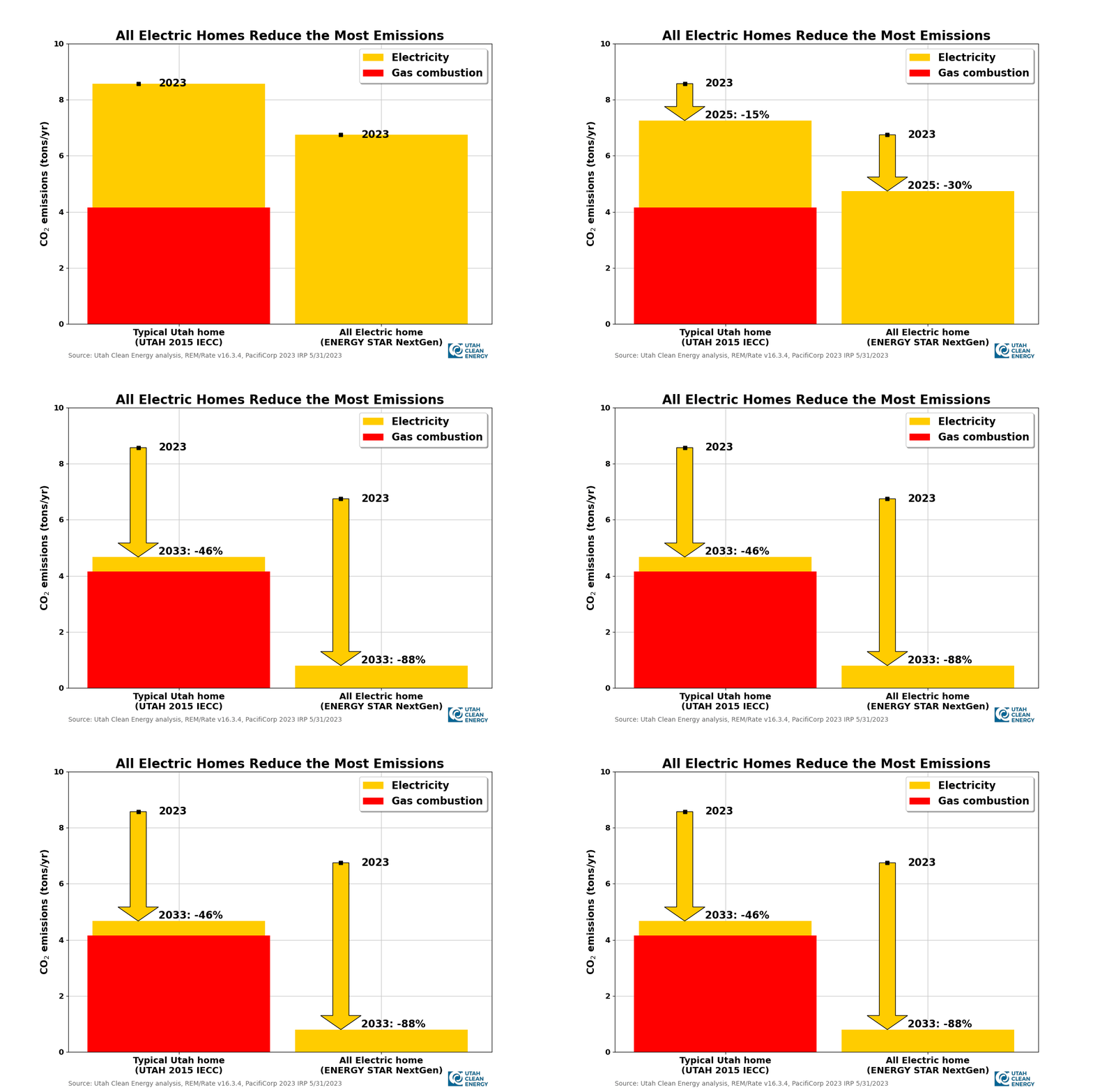
Utah’s electricity system is undergoing a transformation towards clean energy while remaining affordable and reliable. While electricity generation in Utah transitions to emission-free power sources more slowly than other areas, home electrification still significantly reduces emissions from homes. In 2023, a typical 2,700 square-foot home built to Utah’s current building code emits about 8.6 tons of carbon dioxide per year. About half of those emissions come from the electricity used while the other half comes from gas combustion for space and water heating, etc. If this same 2,700 square-foot home is built to ENERGY STAR standards with modern, all-electric appliances, the home’s emissions would decline dramatically beginning in the first year, as shown by the figures below. Take a look:
Municipalities throughout Utah, including Salt Lake City, Summit County, and Ogden, have adopted overarching community resilience and sustainability goals, which low and zero emission buildings are critical in helping to achieve. For example, Salt Lake City has set goals to promote an affordable housing market and the Salt Lake Redevelopment Agency has adopted energy efficient and emissions-free requirements for construction projects that receive RDA funds. In recent years, federal strategies have also identified building emissions as an area to tackle, setting goals to reduce U.S. building emissions by 65% by 2035 and 90% by 2050.
Community Benefits
Homebuyers who purchase energy efficient homes benefit from ongoing energy savings, helping to address the housing affordability issue currently plaguing Americans. One in four low-income households spend over 15% of their income on energy bills, thanks to homes that have inadequate insulation and outdated heating and cooling systems. Across the board, it’s clear that buyers/tenants benefit from new housing units which prioritize infrastructure that reduces utility bills for residents.
In addition to energy savings, residents in energy efficient homes benefit from greater resilience to extreme hot and cold temperatures. Features like good insulation and airtight construction maintain more stable and comfortable indoor temperatures for residents year-round. These same insulative features act as noise barriers for homes, reducing the amount of noise that comes in and out. An energy efficient home will also maintain comfort and safety during power outages better than standard homes. This resilience improves energy independence in local areas and is invaluable for individual security. Energy efficient homes also help to protect residents from future utility bill increases by keeping monthly bills lower, which buffers utility rate hikes.
 We would like to clarify that Utah Clean Energy is not a solar company. We are a nonprofit organization that advocates for solar and other clean energy technologies, but we do not install or sell solar in any way.